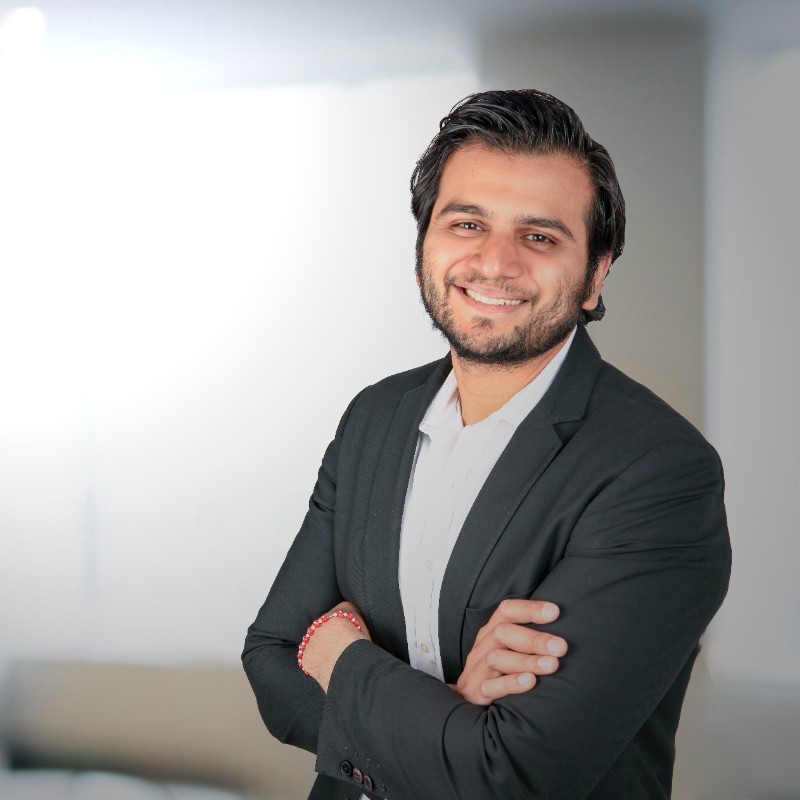
Host: Today's guest has traveled a long way to get where he is. Luis Reyes grew up in the Mexican countryside and didn't get his first pair of shoes until age 5. Today he's leading one of the most active roll ups I've seen. $8 million of EBITDA in two years Luis and his team are building Iberian Ventures, or ibv, a consolidation of fire safety businesses across Spain. They're blanketing the country, dispatching young, hungry former consultants to meat owners and find targets. It is high volume and high Velocity. They've acquired 24 businesses in as many months. Aggregate revenue stands at almost 40 million and they want to double that in the next year and a half. They've raised capital from a German family office to do so. So you're going to get a look inside an aggressive entrepreneurial roll up. I say entrepreneurial. Listen for the origin story of the business. Luis and his partners raised just about a million dollars for their first acquisition, a poultry distribution business. It wasn't initially clear exactly what they would build, they just knew they wanted to buy a platform and go from there. Only later did the thesis around fire safety emerge, at which point they became super focused and highly acquisitive. Also note the conversation around operations in AI. Luis, exposing his background as a developer, talks about being AI first and we get into how they are leveraging the technology. If you're drawn to this style of rolling up an industry, also see episode 308 with Jordan Dubin, who's doing something similar stateside in garage door service. Finally, you'll hear my co host Nicholas James in this interview. That's because this was actually published first on the Mind's Capital podcast where we feature stories of entrepreneurial private equity like this one with Luis. For more such stories, check it out. The Mind's Capital Podcast okay, here is Luis Reyes, Founder and Managing Partner of ibv. If you haven't checked out Smith List for a while, there are some great opportunities listed there. These are leadership positions within entrepreneurial small businesses. Typically searcher acquired businesses. Some open positions on the site right now. GM for a leading pool business with 10 million in revenue. Entrepreneurial GM to help grow an outdoor services platform from 1 and a half to 10 million COO of a wood product manufacturer with potential to become president or later owner. Head to smithlist.com to check out these roles and others for entrepreneurial operators and GMs. And while you're there, sign up for the alerts so that you're notified as we post yet more opportunities from the SMB and ETA ecosystem smithlist.com smith list.com. Welcome to Acquiring Minds, a podcast about buying businesses. My name is Will Smith. Acquiring an existing business is an awesome opportunity for many entrepreneurs and on this podcast I talk to the people who do it. You know that one of the most common levers to pull in a target acquisition is technology updating the systems of a business that may still be running off a spreadsheet or even pen and paper. But tech is complicated with tons of solutions out there. So choosing the right cloud platform, CRM, telephony, compliance and cybersecurity, not to mention implementing all that, is a job in itself. Acquiring Minds Guest Nick Akers knows this firsthand. As a former searcher who now owns Inzo Technologies, Nick has seen the tech challenges searchers face when acquiring businesses. His team at Inzo regularly works with searchers and their acquisitions, offering a complimentary IT audit of the target company. Nick takes a personal interest in all their searcher clients, drawing from his own experience in the search phase. Enzo dates back to 1989 so this is a company that has managed the tech for hundreds of small businesses over decades. And one last thing, no long term contracts with Enzo. A big differentiator. Check out inzotechnologies.com I N Z O or email Nick directly@nicknzotechnologies.com and don't forget to tell them you're a searcher. Luis Reyes welcome to the Minds Capital podcast and Acquiring Minds. We'll be airing this interview on both shows.
[5:19] Guest: Thank you Will Nicholas, Happy to be here and excited. You know the podcast is a one of the main sources of wisdom and encouragement for a lot of us when we started. So hopefully I give a little bit something back to you and the audience of course.
Host: Yeah, well appreciate you saying that Luis. You have a lot to give so I am confident you will fulfill on your mission here today. Let's hear a little bit more about your backstory please and specifically lead us toward your decision to land on this venture. So maybe from your time at Bain
Guest: I was working at McKinsey in the US. I was there for almost seven years. Love working and living in the US you know huge projects. I mainly did post merger integration so a lot of value creation plan integration plan day one, all this good stuff for big transactions like T mobile integration with Verizon and HP and other and other big deals and and so I was very happy there. But you know what, while I was living in Boston, Bain was looking for people with my background that were able to speak Spanish and kind of have more of a Latin culture and a recruiter reach out. I was already thinking of traveling a bit less than in the US that could be. Those red eyes were kind of getting, you know, getting very tiring. So the Bain office heading Madrid had a very interesting project of creating a technology practice to do precisely post merger integration. So I liked the project. I came to Spain and here I found working with private equity all throughout Europe, like Spain, very different, right? Like very concentrated the traditional private equity groups on the upper and lower middle market companies which in Spain are really solid and almost nobody looking at small companies, not even as add ons something that you sometimes see in the Nordic countries maybe because the companies have a little bit more structure. And so at some point during COVID because by the way this was in 2019 that I came to Spain. So I lived through Covid. It was kind of for all of us, but especially for consultants, a very weird period where you pass from traveling every week to now working remotely that me and two partners decided to tackle the opportunity on the very small market. So SMEs and we came with the idea of applying some of the roll up strategies that you see common in the US and in the Nordic countries in Europe and bring them to, to, to Spain and Luis.
[8:23] Host: So just to flesh that out a little bit more, two specific follow ups. First of all, do I have it right that you saw that there was this opening in the lower middle market or lower, lower middle market in Spain where private equity wasn't yet active? We're going to hear more about that. And secondly thesis and the logic of what you were pursuing makes sense, but still give us a little bit more personally on why you all stepped off of your very promising paths as professional consultants with the name brand, working at the name brand companies in the world and chose to do this. There are hundreds and thousands of consultants who don't choose such a path. What was it about you guys that made you so entrepreneurial?
[9:09] Guest: Yeah, so I before working at Bain and consulting, as you mentioned, I was an entrepreneur, right? So I studied computer science. I actually the first five, six years of my career I founded my own SaaS startup. I had a small exit. So I'm a builder by nature in this position. So I knew that I wanted to do this again as time passed. And I honestly love working in consulting. Varied industries, a lot of complexity, a lot of challenges. So time passed. And so at some point probably the idea of starting a tech business wasn't that attractive anymore. But we found that our particular set of Skills. Me and my partners, we have M and A experience, integration, operations and in my case the startup experience, we thought that we could give it a go. And honestly the way we did it is we hire first while working at consulting, a person to help us first flesh out the thesis a bit more. So we look into several verticals and industries and we found one that we thought had a good chance of us providing value. And this is because it was very fragmented, very small companies, no real platform. So we knew we wouldn't be dealing with private equity. And we raised a bit of capital before leaving paying. It was very small, it was less than 1 million to actually acquire the company. And, and you know, doing this in Europe, sometimes as a mid career professional, it's easier because you don't have to deal with healthcare issues. You're way more protected. So I personally felt that if I was to do this it was going to be now and it was going to be in Spain. And so I left consulting first. And after we acquired a couple of businesses and had support from bigger investors, that's what my partners left. So it is, it was kind of risk, the risk was managed, but we still had a little buffet because we, we wanted to do something of our own. Right.
Host: And that money that you raised, the million or, or less than a million you did while you were still at Bain.
Guest: Correct. Obviously the investors knew that when the first deal got completed, I personally would leave consulting. So they, it was one of the conditions. But the investors felt comfortable to commit before, before doing that. Yeah.
Host: And this was friends and family money.
Guest: Yeah, yeah, exactly. Yeah.
Host: And remind us, Luis. I believe that the thesis that evolved was not the original, it was more of a Holdco vision. Yeah, Say, say more about that. Unless I'm wrong.
Guest: Yeah. We, we always look at very fragmented industries because we wanted the ability to continue growing inorganically. And we saw again that the targets, the industries were, the targets were very small. But we also wanted that if the role of opportunity in a particular vertical was impossible, we would have quality assets that would still be related somehow to the other assets and we could provide some support. So that's why we restrict to business services, distribution businesses. But yeah, in the beginning we said, look, if the whole idea is it's having more acceptance by investors and you know, better acceptance also in the market, we stay there. But fortunately we found fire safety as an industry where we could actually do a roll up. And that's why we now are doing more of that strategy.
[12:48] Host: Great.
Guest: That 1 million that you raised, was that in the Direction of being similar to a traditional search fund? Yeah, that's a good question. So the structure and this is more driven by what the investors are used to in Spain and the ecosystem. Right. In Spain you have a very good search for an ecosystem. So the lawyers, the advisors, the structure was very similar in terms of, you know, the 30% kind of return share based on 10% in the beginning, 10% based on an IRR and whatnot. But we put like two conditions. First, we would not be the operators of the business. And second, we were not restricted at only one business. Right. And typically a search fund, you are a little bit more tied up. But yes, it was similar to a search fund in structure. You mentioned that you hired a person, I believe, while you guys were still employed. What was the profile of this person you hired? And specifically what was the scope and instructions as they went to research different verticals for you? Yeah, this was a guy that have a finance and M and A experience like a couple of years at a, you know, consulting company at a broker M and a advisor. So he knew he was very young, 25, 26. So he liked our profiles. We also were very involved during the weekend mostly. So this was some. Somebody willing to work hard, with experience, very charismatic to reach out to to company owners. But when it was the moment to talk to potential targets, we would do it on the weekend and one of us would, would join because this guy looked like a baby. Right. But somebody very brave that bet on the project early on. Is he still with you? No, he's not. Because he was always clear that he did this to get the experience to start his own thing. So fortunately he managed to do that and now he has his small firm too. Yeah, but was it mostly a research role or outreach role? No complete like this guy could have been a searcher. Right. So obviously we were instructing him on what type of companies we wanted to look at the metrics beyond financial that we were looking at. But he would do the outreach, the structuring, the LBOs. So full integrated stack, a lot of value. Oh yeah. He's a very smart guy and very hardworking. Yeah.
[15:22] Host: The team at Aspen HR recently published a short white paper targeted at searchers Entitled A New CEO's Guide to Human Resources. It lays out the key items you should be thinking about as you transition into CEO and owner of the business you bought. The link to download it is in the show notes. Aspen is a professional employer organization or peo, run by a searcher for searchers. Search fund veteran Mark Sinatra runs The company which provides HR compliance, flawless payroll, Fortune 500 caliber benefits and HR due diligence support for your acquisition, all for a fraction of the cost. Go to aspenhr.com or contact Mark directly at mark aspenhr.com and then returning to the other question, Luis, about Spain and what the lower middle market is like in Spain, or at least in particular industries. You know where I'm going with this. Say more about that, what it looks like and how it, how it differs from its, some of its European neighbors.
Guest: Yeah. So look, Spain, it's a market in general Europe. Right. But more so Spain, where SMEs account for a large part of the GDP. So in Spain it's around 65% of the GDP coming from SMEs. The US is less than 45, in the northern Europe is less than 50. So you have way more fragmentation. You also have the average size of the companies tend to be small and in some sectors the capital providers were not. Now we have way more private credit funds and different ways of providing capital for entrepreneurs. But until very recently that wasn't the case. So for example, Italy might have a similar kind of fragmentation. However in the north it's more concentrated, you have more sophisticated capital providers from a long time ago. So those conditions, right, like the nature of the SME market, the lack of capital provider has made it so that companies have stayed fragmented for longer. Now we're seeing more consolidation in the classical spaces like clinics, veterinary insurance brokers. Now we're starting to do it in business services. There's still plenty of low hanging fruit, at least in terms of M and A. We'll talk about operations later. And the last factor is that I believe compared to the Nordics again which sometimes have similar structure in some industries, businesses here are way less professionalized. So if you want to get into roll ups for SMEs in business services, you really have to have very good operations background and the willingness to get your hands really dirty, which is not the case for the big private equity groups here in Spain.
[18:22] Host: Yeah, and what about Luis, this other point that in certain industries in Spain versus Italy or northern Italy, there aren't platform size targets. So we could take the industry that you're in, fire safety. There just aren't 2, 3, 5 million dollars EBITDA businesses in that industry in Spain, while there would be in other European markets. Do I have that right?
Guest: Yeah, yeah. But I think it's a consequence of integration or rollout processes really have never started. Right. So yes, in Spain in fire safety you have before we started, only three companies with more than 40 million in revenue, by the way, there was actually 40. So you have less than 5% revenues. Concentrate in the top five players in the industry. If you go to France, that's 60%. In the UK, that's 45%. In Italy, it's close to 25, but it's obviously more than 5. And again is because some of the big fire safety companies in particular business services, kind of the same. All of them grew through M and A for many years. In Spain, that process just hasn't happened.
Host: Right, let's return to the plot now, Luis. And just so a reminder, you raised the money a little bit less than a million bucks from friends and family. You have hired this superstar analyst who's doing both industry research and outreach for you. You're still employed. The idea is that you, when a target comes along, you'll buy, you will leave and start and go after it. And then that first acquisition may become a collection of companies, a holdco. But you were. One of your criteria for a target was that there needed to be fragmentation and inorganic growth possibilities there. That is in fact what you found with fire safety. Pick us up from there.
Guest: Yeah. And so the first company we acquired, it's actually in the poultry distribution space. So it has a lot of the characteristics that we wanted, like very fragmented small businesses, certain recurrence. In this case, the company is basically Capex, right, Because it's distribution of building equipment. But the market is. The supply or number of companies is pretty static. Like the industry, it's really old. Right. It's an industry where there are not many new players arising. So the recurrence comes from, you know, in Catalonia you have like three, four companies from the last 20 years, not new entrants. So we say, okay, this industry could be a target for, for the type of story that we want. In the end, it's a big, very complex industry to be in. If you are not from, you know, the poultry business, the companies are typically in very remote locations and in Spain, different than in the us Executives are not super willing to leave the big cities. So it was hard. The asset was super high quality. So we said, okay, this industry will keep the asset. We might not be doing a roll up. The second company that we acquired, we raised in similar format, friends and family, actually, same syndicate of people. And this is when we enter fire safety. Right. With a very small company, 600k in EBITDA.
[21:45] Host: And what did you find about this industry once you were in.
Guest: Yeah, so again, all the Quantitative stuff we knew, right? Like thousands of companies, billions in revenue, very recurrent, regulated. However, going into this company, from the outside it looked fantastic. 1.7 million in revenue, 600k in EBITDA owners, 86 years old, kind of professional management, if you want, not sophisticated. But in the end, all employees being there, we found out we were lucky because that company had an operating model that was extremely, extremely well oiled. Right? So you have a team creating routes for everyday visits. All the visits got confirmed. The technicians were super disciplined in doing the visits. The operational manager had metrics and everything under control. And when we look at the margins, we saw the reason it wasn't necessarily pricing, it was just operational efficiency. So we started to look at other companies and we saw that that wasn't the case obviously in all of them. And even then we saw 20%, 15% margins with complete chaos operationally. So we saw besides what you can see on the quantitative, the ability to really provide value if you roll up your sleep. It ended up being, when we talk later on, after the rest of the story, way more work than we expected. But the potential was there. Right?
Host: And you also experienced this phenomenon that is so common among acquiring minds guests, where once they work so hard to get that first deal, but once they're in the industry, all of a sudden they receive a lot of unsolicited inbound from owners, in fact raising their hand saying, hey, buy me. Because they've heard this, you know, this young hungry person has entered the industry by buying one of their competitors. You experienced that and that that also helped form the thesis, correct? Say more about that.
Guest: Yeah, in the beginning we receive requests from mainly M and A brokers. So they offer in the same area that we, that we were. We bought the first company in the south of Barcelona. And we immediately, almost the next day, we got a broker saying, hey, have another business close by where you are, it's another fire safety business. It looks similar to what you just acquired. And then we received another call and that's where we, we knew again the numbers from the outside. But we, we took a closer look and we realized that in the Barcelona area there were more than 300 companies in the space. So we actually look into one of the companies that the broker offer, we ended up acquiring one. The others were not very good fit, not very maintenance focused, which is what we like. And by now we're obviously very immersed into the industry. We go to all the fairs, we go to all the events. But yeah, in the beginning the realization was when we started to get all this inbound interest. But now it's mostly through relationships that we get the deals coming to us.
[24:43] Host: Yeah, there are 300 fire safety businesses in Barcelona, Greater Barcelona alone.
Guest: Yeah, yeah. And they go from 150k in size to the biggest, which, well, now we are the biggest 8 million in the area. But they're very small. Right. That's why there are so many. They're very small.
Host: And so another key dynamic here was that you, you bought this first platform probably from the outside looking in. You thought or hoped that it was a well, well run organization. But then once you got behind the curtain, saw that in fact it was just brilliantly run. And then as you started looking at other companies in the industry, it further differentiated the platform that you bought. Like these other companies just are not nearly as well run. So, so that operational delta, you started to see as yet more opportunity kind of further forming or strengthening this thesis. And then you, and then you decide to what, to, to go after it exclusively or what pick us up on the kind of decision making process and the plot.
Guest: Yeah, so no, we, we validated, as you said, that we could add value. Right. Like we saw that if we took these processes to other companies that we started to see were not as well run, we could have value. That was for us very important. Right. Because we don't have access to deep capitals, deep pools of capital. So we better have something that we provide and bring to the table. So we validated the market size was validated, we validated that there were a lot of businesses willing to sell, which that's also important. You have some industries where maybe owners, if you don't get a high price, might not be as willing to sell. And when we did the outreach, we saw that again we could reach out to them. We confirmed that no private equity or other capital providers were inside the industry. And we decide, okay, it seems that it really checked all the boxes. So we went and started speaking with different capital providers. Not friends and families, no search fund, but family offices. And this is where we started to, you know, we aim to raise first 20 million in capital. And eight months later we managed to do that with now a full thesis, a list of targets. We have an M and A team working, reaching out to, you know, hundreds of businesses. And that period get us to the 20 million in capital, hundreds of deal in the pipeline and operations, M and A team hired and all the, all the components ready to really go big after the opportunity.
[27:20] Host: Great. Luis, you said something there that I think was, you said it in Passing but I think is subtle and but important. Nicholas has posted about how some of the data in at least sort of big private equity where the. Where the value creation is and it is actually not in operational wins. Nicholas, do I have this right?
Guest: The latest Bain private equity report, I think it was about a year ago it reported that among the three big levers, one being M&A. One being operational efficiency and the third being just multiple expansion because you buy it. Well, I think it looked back over the last 10 years, the 2010 decade, private equity, large cap, private equity. I've gotten 50% of the value from M and A activity so add ons and 50% of the value from multiple expansion. But literally 0% had come from actually improving the businesses. But this was related to large cap. And I think one of the reasons I believe there is so much more activity in the lower middle market than there was 10, 15, 20 years ago is because there has been a lot of talent coming in to the lower middle market to drive operational improvement. But this segues nicely to my next question to Luis. Could you explain to us how the pro. Because you've talked a lot about how you researched the industry, how you checked all the boxes in terms of being fragmented and unsophisticated. How was the process however for learning what a best in class fire safety business looked like in Spain. Yeah. So Nicholas, regarding also the research that you mentioned. I'm not familiar with the details besides being an ex baby. But the. It's also about leverage, right? And when you are operating large caps, you can really leverage the business. You can get, depending on the quality of the asset, very good price debt. With small targets that's not a possibility. Right. As you scale that start to be more and more. But when you start, you cannot lever businesses that much multiple expansion it is there and the potential actually for multiple expansion is huge. Plus for us it's mostly operational complexity. So going operational value at. So going to your point, once we were into the industry we really researched the best players that are public companies. Right. So we parted through transcripts of quarterly reports. We went and read the industry reports on for example API group. We look at other groups that were not doing so great in the UK for example Marlowe plc. And then obviously you have everything about route management, about quality technicians to create corrective work after the inspections. You hear about the importance of being quick to provide service to your customers and to program your routes correctly. So you know that intellectually. However, once you see it in a very small business with no sophisticated it with very basically educated people, you see what you could get done in small business. So we set up some parameters, mainly about revenue per technician. There was a minimum for us to get interesting margins. We set the ratio of back office personnel to front office personnel. And with those very simple parameters, I'm missing a bit more of details, but we were not all in of this is the vision and every business has to be like that. We said at least we need to get to x many euros per technician and we have to keep the back office at this size and the rest flows from there. Right. So we had any in mind, but we were working on it very incrementally, let's say. And I have to imagine that being out there talking to so many business owners in any given month or quarter, you just accelerate your learning so much. You come from consulting, you're used to having to learn fast. But. But this whole belief system that you have had to be in an industry for 10, 20, 30 years in order to be expert, it doesn't have to be true. If you can so rapidly educate yourself by talking to dozens and dozens of business owners and comparing all the companies in the space. No, for sure. And look, we, despite our background, we don't want to go with the idea that we're smarter or we know better about the industry. What we're sure is that we are more willing and coming from tech, I have that inclination to try small experiments and if they don't work, they don't work. For example, right now. We'll talk about it later, but we're now being AI first in everything that we do. We started integrating AI into the scheduling of the routes with the customer and every single business owner, even former business owner integrated into organization say, that's not going to work. This is not the way small businesses work. You cannot do this for safety. Businesses say, look, let me try it out in the south part of Madrid and let's see how these hundred customers react and everyone react. Great. So we go, we tweak a little bit the model and then we expand. So yes, we keep learning operationally what works. We also empower now our operational managers. But we have some fundamental beliefs that we will not compromise on and we take it slow and we try to convince people. But there are some things that we just don't negotiate. Right. Like so if you cannot provide with the size of the back office that we have quality work, which means less than one day respond for customer requests, we are going to automate it. Right? And then that's when People open up because they see that it's not possible to get to those targets and. And then we apply best practices. So again, just to say that we learn from the owners, but we also have a certain core of beliefs that we try to just get them done regardless of the initial beliefs of the people in the organization. Obviously a lot of convincing and talking to them. Right. AI first. So you talk about using it in route optimization. So how does that work? It's a software that lay place in your scheduling software and based on the address and the timing request, it'll place it with the right vehicle or truck. Is that kind of how it works? Yeah. So you have per city. So let's take Barcelona, right. Which is one of the largest metro in Spain. So we divided in three regions. Then we have all the customer bases in the same database. We have different type of work because not every job looks the same. So we categorize the work depending on the complexity, the type of elements. Then we have all the technicians labeled according to their expertise. We ideally would have the same technician that has done the work before. So it's a lot of data grooming, data improvement. Our backend systems, unfortunately are the industry standard in Spain, which you need to be because it's regulated. There's a lot of legal requirements that you need to meet. But, but all the database, we have an AI team in house that takes all that data, designs a route, a person validates it, and then the AI starts sending WhatsApp emails or calls to confirm the routes and creating the route plan for every technician. But we have still a person in the loop because, you know, still you get a lot of mistakes on the route design.
[35:11] Host: This is a custom AI overlay to this industry standard software.
Guest: Yeah, yeah, we take the data and we do all the routing outside with, you know, we have Python, you know, the standard. I would be now remiss to talk about the specifics because now my team does it. But yeah, we do it all in house and then we feed the routes already designed back into the system. Yeah. What are some other examples of AI usage in your organization since you're AI first? Yeah. Now we have call center. So this is like a very short summary of what happened when we started to buy again. Let's take Barcelona. Eight companies, we consolidate them in three warehouses. We realize again, something that you don't think maybe on your integration plan, which is now customers, when they cannot get the, you know, the initial or the original company on the phone, they look for the company, they see they're Part of a group, and then they start just calling all the telephone numbers. So you would have all the phones going on and off the whole day, say, okay, this is not efficient, this is destructive. So we'll consolidate in a call center. The call center in Spain, it's very expensive. So we decided to outsource it to Colombia. And now we were facing a call center with 30 people on it. For a very small company, say, okay, we have to do something. So we created our AI tool in house to receive all the calls. If the calls are simple, like I want my invoice, the AI would take the invoice from the system, confirm with the client, you know all the details before sending it, and then it sends it. If the request is complex, like a problem with the fire safety installation, it passes directly to the person that can solve that. In this case, we were AI reactive because we build the call center actually last year, but now we look at all the problems before changing org, before outsourcing, before changing the configuration of the teams, if we can automate it. Right. But this is another example with AI, it's actually being super good for cost saving, but also more importantly for our customer experience.
[37:23] Host: And I imagine all of this is where you really get scale because you're bringing all of this AI tech across the portfolio and integrating them all into this to this back office. One feature of what you're doing is that it's high volume, you would think, and you've already touched on that integration, depending on how much integration you try to do, could be a key challenge, but also a key differentiator for what you're building. So talk to us about the level to which you're integrating and what challenges, what people might learn from that.
Guest: Yeah, so as you say, AI and in general, automation is a way of turning a services business, which most of the costs are labor, into a high operating leverage business, where you do capex and then you replace manual labor by something that scales better. Right. So for us, the whole thesis revolves around, as I mentioned, on the revenue per technician, the ability to really maximize the amount of work that a technician can do safely on the hours that they work. And so for us, density of routes and customers per region is paramount. So we go into a region, then we start acquiring more customer bases on that area. And so we need to integrate. Right. So for us, it was never a matter of whether we integrate or not. And the most important, important part is to integrate the customer base, the route management system, and the routing of the technicians after that, then you start to more traditional integration like back office. Instead of having again like 20 invoicing people all throughout, we just put in a, in an excellent center. We create workflow systems. But that's more traditional private equity. Right, but that's how we decide what to integrate and, and whatnot.
[39:19] Host: You actually make it sound easy, but you have told us that that integration has been probably the key challenge here because certainly finding targets and acquiring them has not been a challenge. Not saying it's easy, but you've done so many in such a short amount of time. It's clear that's, that's not the bottleneck the integration is. So, so what? What has been such a challenge? Because what I just heard you say sounded very systematized, very dialed in.
Guest: No, I would say that. By the way, even M and A is hard, right? Like the something that we have talked about, AI and systems and processes, but really it starts. It sounds cliche, but it starts from the team. So we were three partners, right? We had a team of two M&A folks since the beginning. We have now, after so many, so many years, five people that come from BCG, Bain McKinsey. So we have really good team and everybody is fully heads down, own their own thing. So at every day we have somebody covering an area of Spain, traveling to the area. We don't send letters. We don't do like, you know, a written sign letter. We actually go there. We knock on doors, we visit companies. And these are people with experience in M and A, right? This is, this is very high caliber people traveling all over Spain and they're young, they like it. But it's not easy, right, to get deals and integrating and operating. It's also really hard. But we have a dedicated team and we could talk all day about errors and mishaps and hard work. So it's not a one, definitely. When I see people wanting to do rollups and it's a guy, I say it's not about being smart or about wanting to work a lot of hours. You need a team, right? You need a team specialized on every area of the thing that you want to do. Yeah.
Host: Looking for an SBA loan to buy a business? Then meet Pioneer Capital Advisory, your team for getting an SBA 7A loan quickly and at great terms. The team at Pioneer has closed 81 SBA loans in just the last two and a half years, with an average close time well under the industry standard. Founder Matthias Smith and General manager Valerie Stash Bo both have 10 years of SBA experience and know the process cold There are three analysts at Pioneer who build you a lending presentation that speaks the language of the bank's underwriters and gets them to. Yes, two account managers to guide you from underwriting to close as fast and smoothly as possible, and two sales associates ready to walk you through the Pioneer Capital advisory process. That's nine people at Pioneer. A real team. To get you where you're trying to go. New owner of a business, go to PioneerCapitalAdvisory.com or click the link in the notes. It's probably obvious to the listener, but just to call out your version of independent sponsorship here, which is what we'll call you, is different than the kind of independent sponsor label that we use in the U.S. there are exceptions, but typically it is somebody who has a portfolio of businesses and to the extent they're helping one of their platform acquisitions, it's often financial, it's often M and A or beyond that. It could also be in operational leverage in the kind of value creation within the organization, but certainly not as directly involved. You are 150% focused on this. You're not doing any other businesses. You still have your poultry business, but it's kind of on the side. So this is almost, you know, this. You guys have become fire safety business operators. Whereas to Nicholas's point about learning an industry, many independent sponsors, at least in the US will learn an industry, but they won't get their hands dirty nearly to the level that you guys have become. You're probably among the best operators in the country, if not the world. Not to flatter you in fire safety at this point. And that's a different model than we often hear.
[43:27] Guest: Yeah, that was by virtue of necessity, really. Again, like we don't have. I think we had good, you know, typical. I wouldn't say typical private equity profile because we didn't have it, but good professional background. But we didn't have deep pools of capital available. Right. Maybe if we had, we could have bought, I don't know, like 15 businesses since the beginning, have an executive team. But we didn't have that. Right. So, yeah, first of all, it was a bit out of necessity. Now that we're in, as we build the platform, right now we're almost at 40 million in revenue. Take finance as an example. I build the finance function. I interview and hire each one of the FPA professionals, the accounting team, the controller. Now I hire a cfo, which is actually fantastic. Way better than me at his thing. And with him I act more of a typical private equity or sponsor. Right. Like, we define targets, we set up the budgets that we want, but he does most of the work leading the team. I feel that as we evolve, that will be the case for most functions. But we have to build it right. It's building the company and then probably we'll treat it more of a traditional sponsor. But I feel that gives us the differentiator for the next one. Look, if in the next one we have deep, again, more capital and we can go after bigger businesses, we would prefer it. But if we, if we can go into similar industries and we have the team, we also have the chance of doing that, which, again, most private equity firms or independent sponsors don't. So, again, something good, but born out of necessity, right? I think it's also worth highlighting that doing 24 or more than 24 acquisitions at this stage in a relatively short amount of time, that in itself requires operational excellence just to undertake so much M and A activity. You mentioned that you have a team of former BCG caliber people traveling around Spain, knocking on doors. Could you talk more about this? Is this something you do because it has a higher success rate? How do you go and ensure you're being tactful when you show up in person? You know, how do you tactically do that and then maybe segue that into how you operate your M and A process at such a high volume, high velocity, as Will said in the introduction. Yeah, no, that's a good point. So the consulting background of my team, it's in operation, right? It's not in M and A. Not because they cannot do it, but typically they prefer to do different things. So our M and A team, it's coming from finance and other M and A background, either private equity, you have actually some folks from other private equity firms or from M and A advisors. They have to be young because we require them to travel. And for us, they have to be good at analytics because we expect everybody to do their own LBOs. We have templates and everything, but we have. We expect them to be very good at identifying issues in the balance sheet, the cash flow statement, the typical models. We have, again, best practices. But they need to do it. They need to prepare their briefing for their own deals and they need to be pretty charismatic, you know, to be dining and chatting with business owners the whole day. It's not easy to find. But we have three folks that, you know, 25, 26 years old that are just best in class and they love their job and we love what they do. But they're not from consulting backgrounds. The consultants are more in operations. And so they're best in class being just really affable and friendly and intelligent. So that's what why they're able to not only approach these business owners on your behalf, but also add value in those dialogues and then entertain them and kind of move the conversation towards a partnership eventually or at least learn more about each other. Exactly. And actually when the deal is closed, they pass it to the integration team. And sometimes at the first or second week the business owner asks, hey, where is Guiller? Which is the guy that does the M and A? Where is he? He doesn't talk to me be anymore. So they actually create really strong bonds with the owners and that's the most important thing. But again, they have to be analytical enough to do their own analysis of the business and to prepare the briefing and defend that business in the investment committee that we have. Any independent sponsor will know that closing a deal is a major undertaking. But this is different when you're closing a platform versus an add on. Can you talk a little bit about the distinction? Because clearly you have found, codified the approach to closing a lot of deals in a way that you can manage operationally. Yeah. So I would say that for small businesses, at least here in Spain, most of them are not professional. Either it's the owner like typically aging and wanting to transition out or is an owner that is not that old but he wants out of the industry or it's the kids. Right. But it's very rare that you find professional management. So that makes it so that the complexity really comes from the fact that you're leading dealing more with an entrepreneur that can be mercurial. So you have some people that are, you know, the right price, make sure that you guys are going to take care of the business, that you have credibility because there are some earn outs and that's it. But there are others. We have a deal that we call Grandma Abuela because the only reason why we close it is because the grandmother of one of my co founders was friend of the of the wife of the owner and he found out that they're from the same town. Otherwise this guy wouldn't have sold. So every deal it's different, but it's not mainly a conversation about price or about structure. It's mostly understanding the entrepreneur and make sure that he understands where you are proposing it in a way that he, that he likes it. Right.
[49:14] Host: Luis, to, to Nicholas's point of, of codifying this, this engine, we heard you say that some of the, the businesses that you bought have been millions of dollars in revenue. In others as small as 100k in revenue. We heard you say that there are 300 fire safety businesses in Greater Barcelona alone. In this, this universe of fire safety businesses, in this wide range of revenue that you are saying you're willing to look at, from almost no revenue all the way up to as big as you can get, how do you decide if a target is worth pursuing?
Guest: Yeah, so what we do is we have a database in Spain, in many European countries, this is different than in the us. You have all the financials of all the companies published and this is the balance sheet, the P and L and the cash flow statement. So we have the database. Once we know that a business, it's a fire safety business, which is not easy to know from the outside, but once we know it is, we classify. We have a system that we develop in house where we have all these. We actually have 2,500 businesses there. And we already know how a maintenance company looks like and it has to do with a combination between the gross margin, the DSO and a few other metrics. So we already know that they have to be at least majorly maintenance. Right? But the first check is that they have to be maintenance focused. Out of the 300 businesses that we talk about, you have passive fire safety, that's out. You have mostly installation base, they're out. And then you start with the things that you get to know after the conversation. Customer concentration. If they work for facility managers, if they work for public sector, then after, and those can be in one conversation, right? Then you're going to where you need data and you need to develop a relationship with the guy before issuing an loi. We ask for the code and the revenue of their customers for the last five years. And then we look at churn rates, we look at the average ticket per customer, we look at the concentration per zip code and, and we have these things codified. Getting the data is the hard part because now you need the trust of the guy. And then we reject every business that has a high churn rate. Right? More than 10% for us is a no go or we defer a lot of the payment. And so we have a bunch of checks that we do by talking to the owner and getting that data. And then we get to. Out of those 300, maybe 70 really are target and out of those, 35 don't want to sell. And so it's really not. The pool is not infinite where you can fish, but in the end it's quite reduced, right?
[51:57] Host: Yeah. What a luxury in the European markets. I know it's the same in the UK that all of this, this private company information is public and you can just, just go through the list. It's amazing.
Guest: Well, it creates problems. For example, this Abuela company, right? It was the biggest deal, 2 million EBITDA, 40% margin. And we pay a little bit dearly for that one. And given that, it's almost like a very search fund prime material. So this Guy had received 150 letters from all kind of potential acquirers and he was sick of it. Right. That also makes it so that he didn't want to hear is that another guy wanted to buy my company. So I have these letters here from everybody wanted to buy. So it creates also its own, its own kind of problems. Yeah.
Host: And so to be clear, you said that you can identify, you're so familiar with the industry now. You can just by looking at the financials, the public financials of these private companies, triangulate whether or not it's majority maintenance or not.
Guest: Yeah, yeah, yeah.
Host: And just going back a couple beats, but I, what I didn't hear you say through throughout all of your decision making criteria, working these businesses down the funnel is operational excellence. And you've already told us you don't need that. In fact, that's the value that you're going to provide in many cases. But you did get really lucky with that, with your platform. How, how, how might you assess, from the, how might you tell the audience to assess a business from the outside its operational excellence? Because, because it would be nice for that first bit, for every sponsor's first business to have operational excellence and only the subsequent ones, the Boltons, not.
Guest: Yeah, it's honestly very hard because let's take two companies. We had another rumor. The company we acquired 1.7 million in revenue, very stable, very slow, steady growth of 5%. You have gross margin of 81%, also very stable. And you have EBITDA margins of close to 40%. Super stable. And then you have another one looking the same in another part of Spain that actually was the opposite of operational excellence. The difference there is that they had a very captive market with high prices. But you can know that from the outside, right? So when we saw the financing, we said, this is it. It's another similar business. We went. The business owner was never there. The service was very shoddy. Like the technicians were organizing their own work however they wanted. But they live in the area, right? It's like the five people that do fire safety are the ones that Live in the town and so they know their customers every day is the same customer for the the last 20 years. But you would not go there to touch anything or it wouldn't work. So it's very hard to know from the outset, but you can tell steadiness, same margins from one year to the other. They don't have fluctuation in labor costs or EBITDA margins, but that's not a reliable indicator. But it's a good indicator of that. I have a slightly more philosophical question for you, Luis. So many independent sponsors and PE funds will say that they are hands on and operations focused, right? Not very many can say that they're actually a big team inside a business working only on one platform. But generally what are you sacrificing when you are truly operationally excellent? Yeah, I think that now that we have honestly created a platform and we even had approaches by the big private equity firms in Spain, in the uk, we could be doing something else or additionally with the team that we have. And we want at some point the idea is to launch a fund and have several verticals at the same time. And by then we really need to think how we scale the model that we have. Because obviously we cannot have 12 people working on every vertical. Or maybe we do. Right, but this is a philosophical also question that we have to answer. We don't have time to think about it. But yes, you're sacrificing the optionality and the ability to do something maybe bigger with the same high quality team that, that, that you have.
[56:16] Host: And how do you decide in let's take the the case right in front of you. How will you decide when you have given to this opportunity everything that you should and you should consider some of those offers or at least consider looking at recapping and maybe turning your attention to a different industry. What's the ceiling of this really for the level of involvement we're hearing that you have?
Guest: Yeah, it's a balance between we have capital to be deployed, significant capital now, and we have a commitment with our investors to deploy that capital with the same quality and continue creating the asset that we committed to create. And obviously we have a huge incentive, monetary incentive for doing this correctly. So I think we're aligned with the needs of our investors, with our incentives. So that's great. And then at some point the platform we will get to the point where we say, okay, most of the capital is deployed. We have a very good executive bench. We have replaced our work by industry people now that we have the systems in place and now we actually can stop paying maybe fees and dedicate the team to other opportunities. And the investors would appreciate it. Now when that will be? Next year, two years. This is where it depends on the progress and it's fully dependent on us. But the people that have trusted their capital on us have to be honor with that.
[57:45] Host: Yeah. Speaking of which, perfect segue. We've got you here for just a few more minutes, Luis. And we do want to hear what raising capital for a venture like this in a European context looks like. So first things first. When you went out to start raising for this, what did, what did that look like? Where did you start? What's the lay of the land in. In Europe for raising capital for a roll up?
Guest: Yeah, I have the advice after having done that and then I have what we actually did without that much experience. So what we actually did is we started from friends and family. Those friends and family then recommended people that they knew that were more structured capital providers, maybe small family offices. And we just went following the trails. It's much better to have warm introductions, obviously, so it's kind of the easy path to take. We were operating a business or we were refining our thesis. So we were not only doing fundraising, but it was like eight months of coffee chats, getting to meet family offices, getting to know private equity funds that we were very early for that. So kind of getting to know more than what you read and you can know from now asking ChatGPT about the different capital providers, getting to know them, how they think, building relationships. And out of these relationships it came an introduction to a German family office that was focus on roll up. So it was after doing a lot of interest and a lot of work that we found the right partner. I wouldn't recommend doing it the same to people that actually just want to raise capital before getting started. Right.
Host: Although this is your first venture of maybe many. So many of those introductions and those connections that you made could bear fruit later. So not all lost and this sort of consolidation play and particularly with this industry and with these very fragmented, very small platform, how did the capital markets broadly react to it? Obviously you ultimately did find capital, but can you generalize and maybe contrast it to the US I know you haven't done it in the US but maybe you have a flavor of what it would have been like in the U.S.
[1:00:06] Guest: yeah, so I have friends that are doing something similar in the US which number one in the US you have very deep capital markets in operator pool. So that's a good match. It's For a very dynamic market. In Spain and in Europe, roll ups are still like a nascent asset class, if you will. And in Spain, I think that investors are by nature and kind of the social and cultural norms are more risk averse, so they love investing in buildings and traditional vehicles. And again, at some point it has to do with the maturity and the cultural norms of the country. But also, to be quite honest, it's good that they are weary. I want to say they're not good operators because they're amazing companies here, but they're not many or any other team that is really doing roll ups with experience. Right. And again, you said that I sometimes make it sound easy and I try to be very realistic where it's grueling, it's a lot of work. We have people that have done a lot of operations work before and even then we make many mistakes. So also, again, capital markets are very conservative, but you also don't have a lot of people with experience that have done this in the past. So it's a hard market to be liquid and it is not a liquid market. Right.
Host: The family office that you found to partner with, what was it about them, do you think that that made them visionary enough to work with you in this quote unquote, nascent asset class?
Guest: Yeah, I think that it was a combination between them having done roll ups in other parts of Europe where it's a bit more common. So they have experience and they had their own processes to identify markets, opportunities and teams that were of the right, let's say, alignment to their values and their ability to deploy capital. And then having never invested in Spain before, it has a degree of daring to do it right again with the right team and the right opportunity. They had seen business services in other places, they have done it in other places and they like the team and then they put the right controls so they're able to pull the plug if things were going south quickly. So put in the right structures, but at some point they're in just to do it with all those things in place. Right. I think family offices in the United States are quite well versed in typical sponsor economics. I have heard that in Europe and especially outside of the Nordics and the UK and probably especially as you get down to France and Spain, that they're less comfortable with, you know, for instance, management fees and in some cases are from an American vantage point anyway, B, they're very stingy. Like I've heard some sponsors say they're offered a management fee of 80k or 100k per year for what the US sponsor would charge 250k. I don't know if you've had any identical experiences with that, but is that a trend that you agree with? Does it resonate? Yeah, yeah, for sure. And again, you have to go with the cultural norms of the country, right? So in Spain salaries are typically quite low even inside the financial services industries. The salaries would be shocking for US counterparts. So the idea is that you offer local salaries no matter what's the type of talent that you have, then you also have more. And this is by, sorry, I would say I'm generalizing Spanish investors from the very few that I have contact with and by talking to other entrepreneurs. So I apologize if this generalization is not true. But what I found is that again the salaries tend to be earmarked watermark towards traditional salaries in industry in Spain which are quite low. And then you have investors who wanted to control the company as if it was, you know, their own operating company. So it's sometimes quite hard to get them aligned on a roll up strategy where you need to be well incentivized, where you need to have your team well incentivized. On the other hand, they don't ask for things that maybe in the US are more common like co investments and these type of things are not common. Requests that I heard from my friends that sometimes in the US are a bit more common than than here. Right. What do you mean by co investments at the end there? So private equity firms. And again this is not maybe common for independent sponsors, but you know, LPs sometimes ask to invest alongside you without paying the fees and from your vehicle for rather with you. So if you're buying a platform they might get 10, 15% allocation directly into the target with all the benefits that it has of not paying fee and not paying carry on that. And here in Spain I've never heard of anybody asking for that. It's a version of getting a piece of the GP economics effectively, right? Well here they do. No, no, it's called co investment. And several of my friends in private equity, again not even small funds, you have some LPs asking, they told me maybe now this is not so general, but they ask for that investing directly. Let's say that you buy a platform, right? So you buy 90% and the LP it's at a general AP. They and they might have, you know, reduced fees or whatever, but that's different. Now they ask to invest directly into the asset. So the other 10% allocation is directly for them and that obviously has a lot of advantage. You don't pay anything, you don't pay carry, you don't pay fees. So that I never heard of anybody asking in Spain. Right.
[1:05:59] Host: Luis, you'd mentioned to us that the timing of your raise, you had to be careful because you were stacking EBITDA so quickly with the velocity of your acquisitions that from the beginning of your raise to the end, the value of the enterprise that you were building, you thought had shifted, had grown. Say more about that and how somebody or a team pursuing a high velocity consolidation play should be careful.
[1:06:26] Guest: Yeah, that's a good point. That you need to have your timeline and the capital needs plan out or aligned. As you mentioned, we were negotiating a capital increase. We had some people interested, but we wanted to get, or we knew we could get a bit more on the round. We had the investors approved to just bring more capital providers, but we continue working. So as you get into holidays and in Europe, they tend to be very sacred. Time passes, we continue doing deals and at some point you make the valuation on the round based on some numbers. You didn't put a backstop on saying if we reach this target because we didn't know that could happen. And at some point we were close to basically the valuation set being super low and having very different alignment between your investors. So in the end it wasn't an issue, but it was close to be. So now we learned that you have to limit the time of your fundraise or have some provisions for if you get, you know, 10%, 15% more EBIT that we have to reevaluate the pricing. So now we learned that, that lesson.
Host: Yeah, yeah. A problem of the fortunate, however.
Guest: Yeah. It is affordable position to have. Yeah, yeah.
Host: Luis, we gotta let you go, but I want to try to, to invite you to generalize if possible. We've, we've heard a lot about this industry in Spain and the dynamics of the market there. Family offices there and, and elsewhere. But for anybody listening around the world in maybe a less a market where private equity or, or rollups consolidation isn't quite as far along as it is in the US what generalities might they look for to pursue an opportunity in their market like you are in Spain? Possible to generalize here?
Guest: Yeah, I think this is possible to generalize to the point of not being very insightful. Right. But you need, you need very fragmented markets. You need industries with recurrence of revenue. You need those small companies if it's going to be very fragmented, that have some level of professionalization. And it might not be management like in our case, but it has to be not have any fiscal issues or companies accepting money without reporting to the authorities. Not all countries are like that. So you need to be very formal sector. Then you need to have some successes in other countries of that particular industry because if you want to exit and you want liquidity at exit, you want other capital providers to have done it in those places. And then you need talent with experience in that industry because again, at some point you need to build the executive base there. So I feel most European countries have that, except the fragmentation where in the northern countries is already consolidated. We tried to look at it also at some point before we started in. You know, I'm from Latin America and it's a little bit harder because the smaller, very small businesses have some of the issues that I mentioned. Right. Not all of them report income to the authorities and some stuff that you might not want to get into. Right.
[1:09:52] Host: So in Mexico, for example, a large market, you think it would not be analogous to Spain? It would be more challenging.
Guest: Exactly. At least I wouldn't go to the exact same target size. Probably I would a little bit more in the middle market where the customers of these companies are more multinational companies that they demand a lot of formality from their providers. I wouldn't go and buy 200k revenue companies in Mexico in fire safety, definitely. At least I would.
Host: Luis, close us out by telling what, telling us what the goals are for the next year in terms of either revenue growth or absolute number of acquisitions and then we'll let you go.
Guest: Yeah, we want to, over the next year or 18 months, double the size of the company in terms of revenue. That might be the same or less or more acquisition, depending on the targets that we close. But we want to double. We want to consolidate our executive team. So we root now. We want to have a very solid team on the company and we want to make sure that the capital providers and the families that have supported feel comfortable that we are, you know, creating a quality asset for them to get the returns that they, that they're expecting. So I think we're on track, but we need to keep focus on that
Host: great 16 million in EBITDA in fire safety in Spain. Very exciting goal. Luis Reyes, thank you so much for coming on the MINDS Capital podcast, Acquiring minds. You and I have been in touch for about a year now. So glad we finally got you in the seat. And congratulations to you and your partners on all your success so far. Very, very exciting project.
Guest: Thank you, Will. Thank you. Nicholas. Very, very good to be with you today.
Host: Hope you enjoyed that interview. Don't forget to subscribe to the Acquiring Minds newsletter. We send an email for every episode with an introduction to the interview, a link to the video version on YouTube, and soon key takeaways, numbers and more essentials from the interview. For those of you who don't have time to listen or watch it, subscribe at acquiringminds Co. You'll also find all our webinars there on the website, both those we have coming up and recordings of past webinars. At this point There are over 30 webinar recordings, a wealth of information on all the technical nitty gritty of buying a business. Acquiringminds copy.

























%20-%20thumbnail.png)



%20-%20thumbnail.png)

%20-%20thumbnail.png)

.png)


%20-%20thumbnail.png)






%20-%20thumbnail.png)